
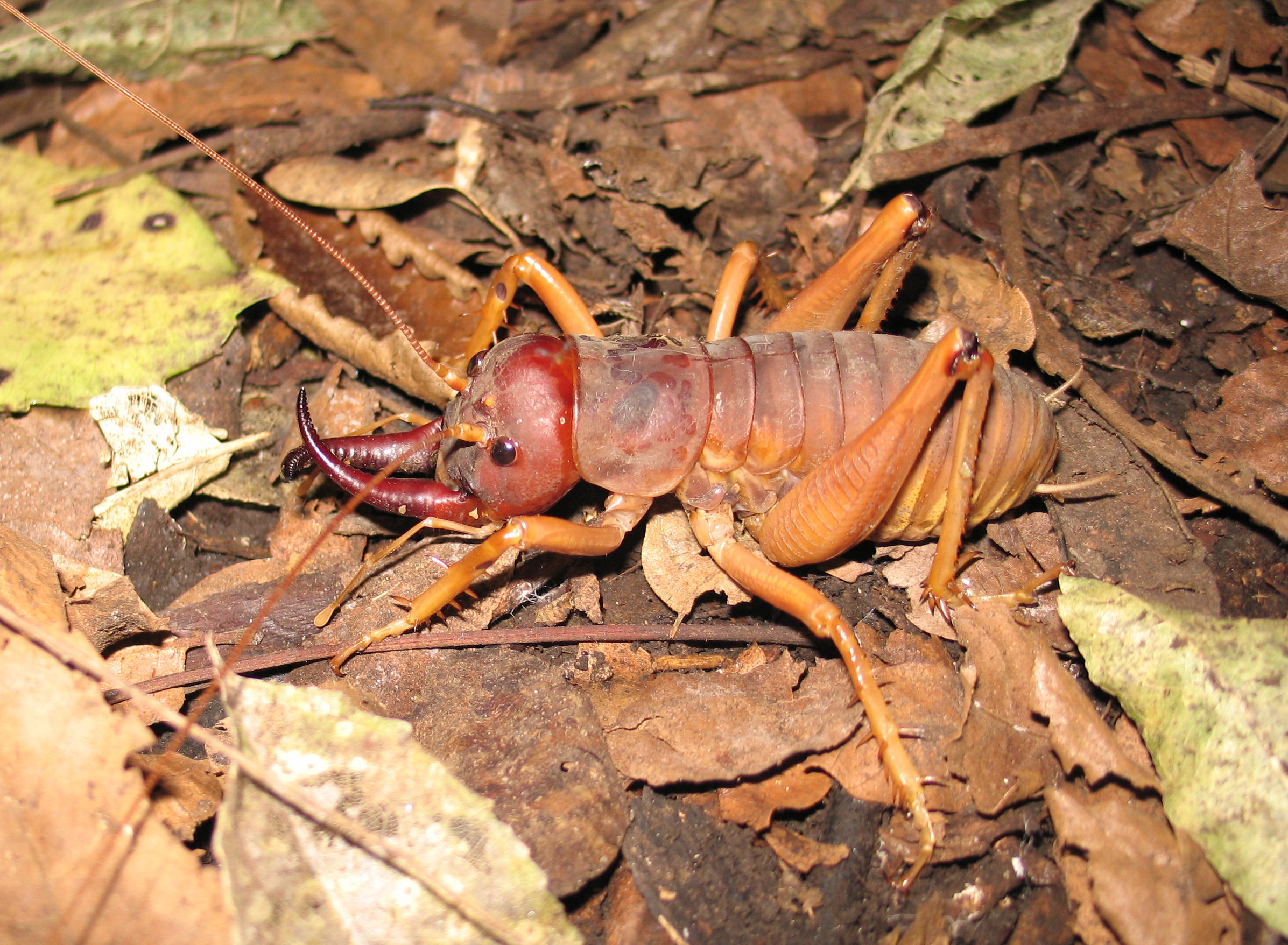
Post Views: 4,999 Regions of the world, geographically isolated from other continents for millions of years, have allowed the appearance of unique, rare and incredible
Tag: adaptation
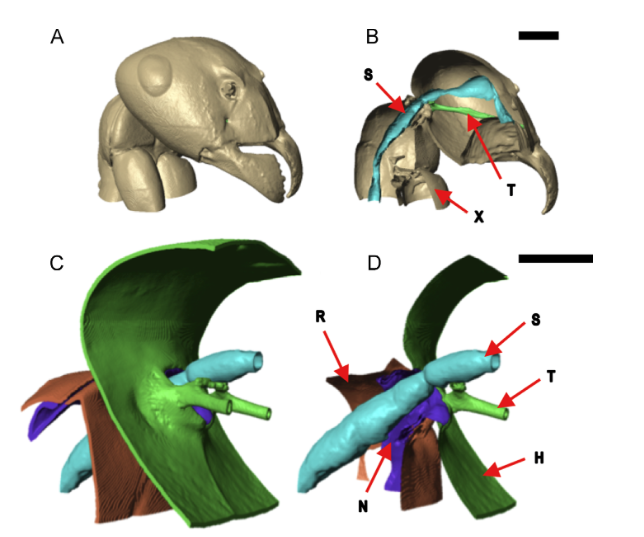
How strong does an ant develop?
Post Views: 1,960 We have all seen ants at work: they have the ability to lift and carry mass loads several times their own. The
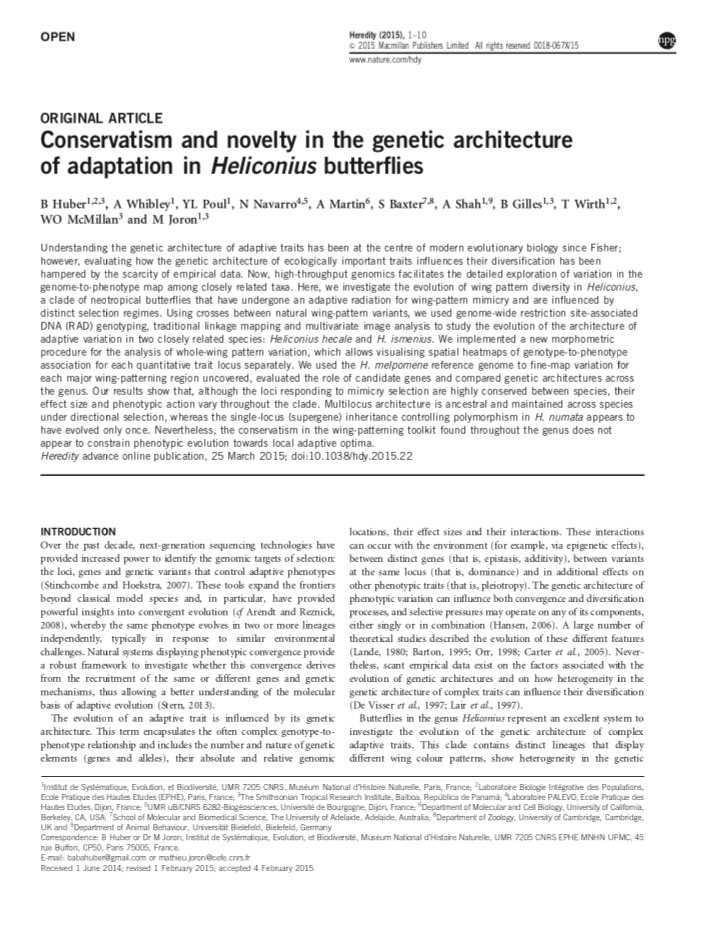
Publication in the journal Nature/Heredity of some of my results on Heliconius butterflies
Post Views: 1,754 Heliconius within the “Institute of Systematics, Evolution and Biodiversity” of Muséum National d’Histoire Naturelle de Paris (UMR 7205-CNRS) and on the Gamboa
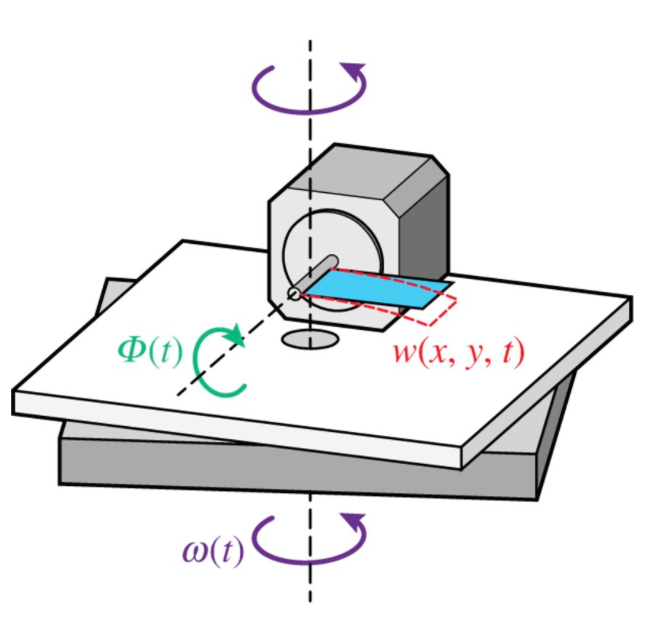
Insect wings are also gyroscopes!
Post Views: 1,328 Insects have flying capabilities far beyond what robotics engineers can produce. However, the control of manoeuvres and posture during the flight remains
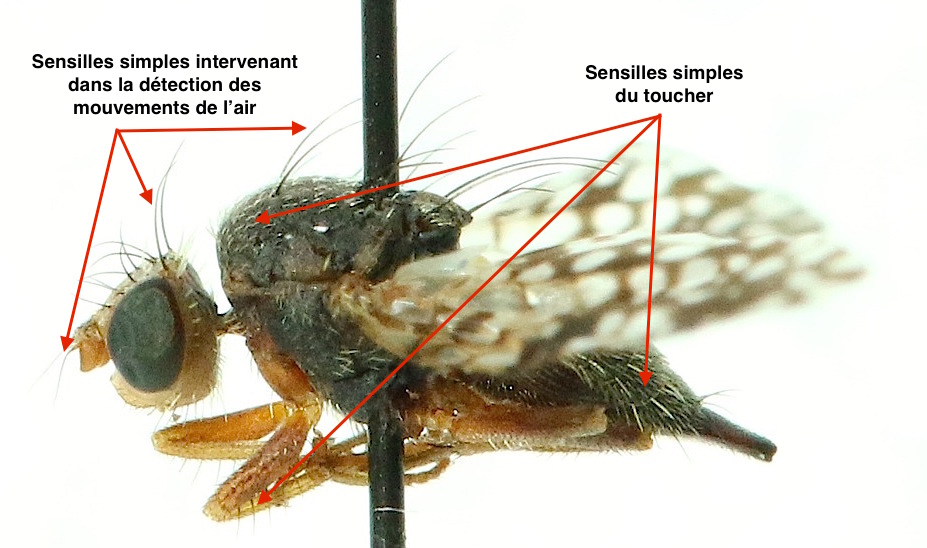
Sensory receptors in insects: mechanoreceptors – Part 1: cuticular mechanoreceptors
Post Views: 4,570 First part : cuticular mechanoreceptors Alike all arthropods, insects have an external skeleton, the exoskeleton, consisting of chitin and forming the cuticle
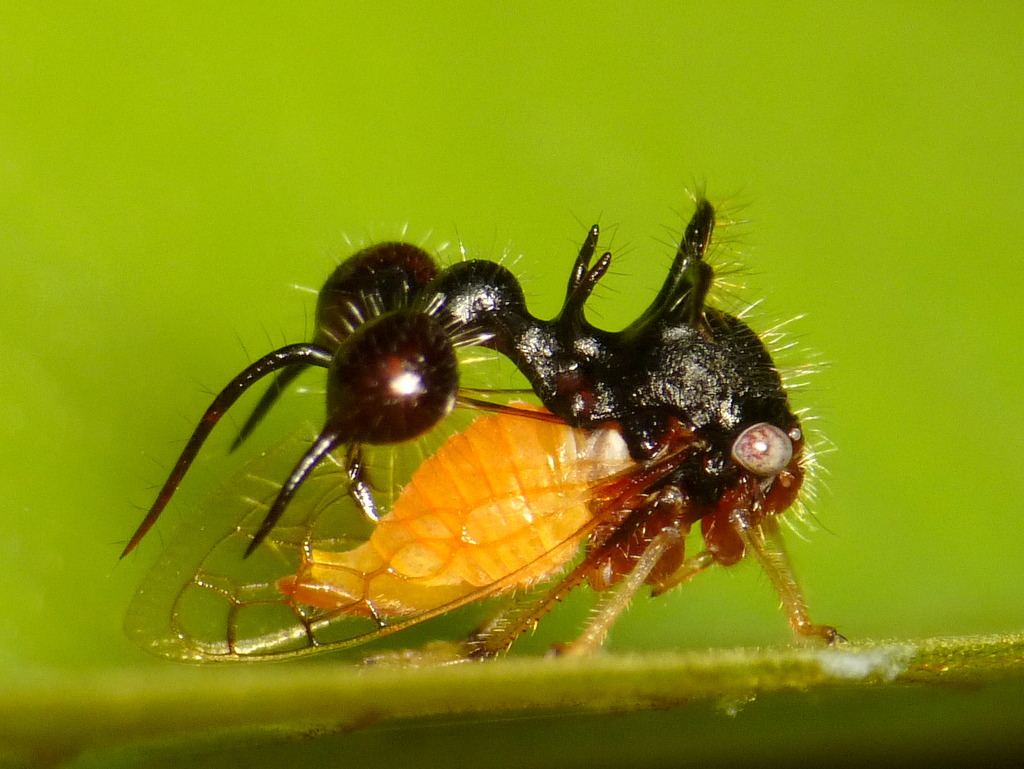
The membracides, surprising little insects
Post Views: 2,731 Membersracides are small insects belonging to the super-family Membracoidea and to the order Hemiptera : aphids, leafhoppers and cicadas, characterized by an
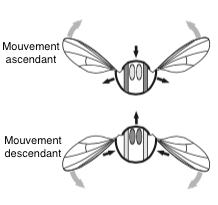
Insect flight: aerodynamics, musculature and 2/2-way control system
Post Views: 2,384 Insects are the first organisms to have developed the ability to fly, 170 million years ago (lire article on phylogeny). The acquisition
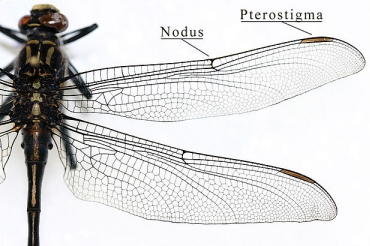
Insect flight: Anatomy of wing 1/2
Post Views: 3,098 Insects are the only invertebrates that have acquired the ability to fly (place insects in the classification, read th article). Unlike other
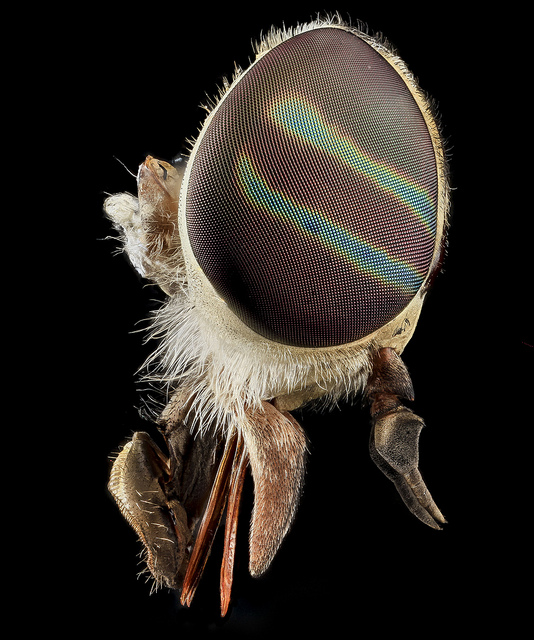
Mouth apparatus and feeding in insects: General
Post Views: 6,784 General description of different types of insect mouthparts adapted to diet Insects, present on earth for at least 479 million years (read
Acoustic mimicry of butterflies in anthills
Post Views: 1,248 Discovery of an acoustic mimicry used by the caterpillars of a butterfly to deceive ants and obtain food and care essential to