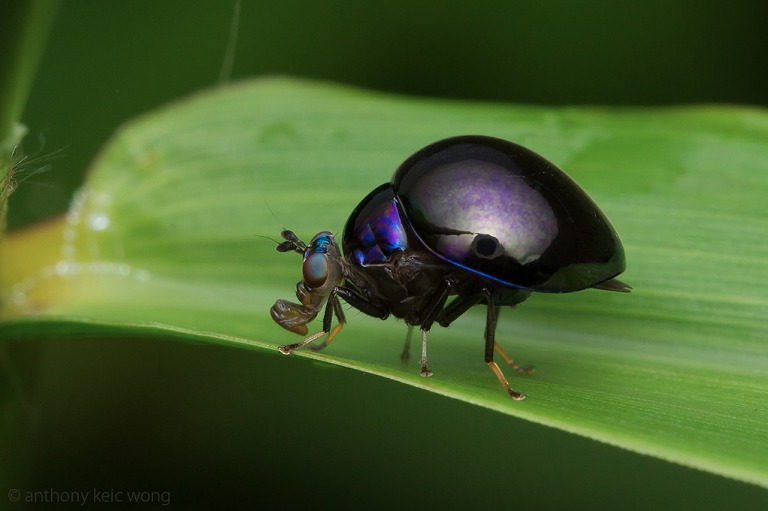
The world of insects sometimes contains surprising and mysterious species. Diptera (« flies ») Celyphidae are among them. caption id= »attachment_3078″ align= »alignright » width= »301″] Paracelyphus hyacinthus (Source : Anthony KeiC Wong-Flickr)[/caption] The name of this family comes from the Greek word « κέλυφος » which can be translated as « box » or « shell » which characterizes the most striking characteristic of these insects:…
Catégorie : Species Sheets
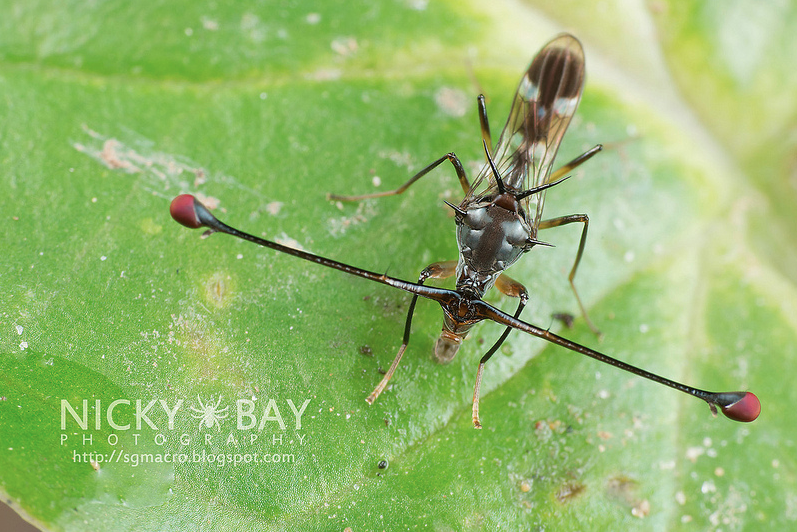
Diopsidae flies: eyes perched far away!
Flies of the Diopsidae family have the amazing feature of having their eyes positioned at the tip of outgrowths called ocular peduncles located on each
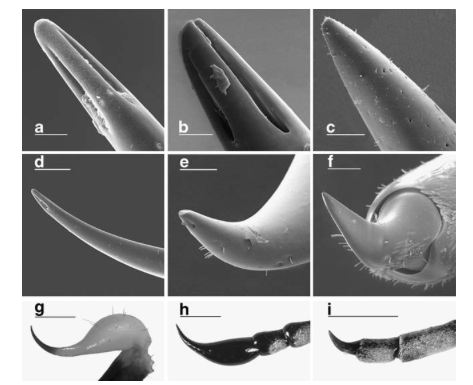
A beetle that is not lacking in spiciness: Onychocerus albitarsis
Anatomical structures whose role is venom injection have appeared independently in several orders of arthropods. They can thus be found in Chelerates (scorpions and spiders),
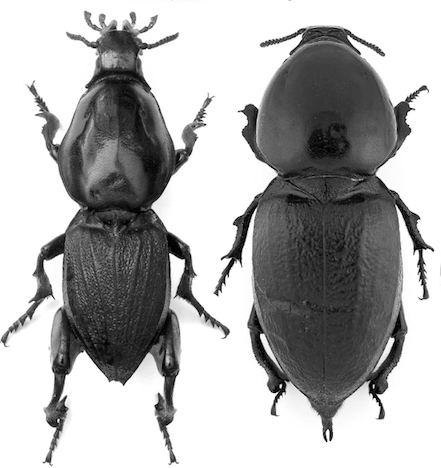
Hypocephalus armatus: a (very) unusual long-horned beetle
Hypocephalus armatus is a large South American Beetle em>Hypocephalus armatus is a large South American Beetle of a unique morphology among long horn beetles (long
Mushroomists Ants of the genus Atta
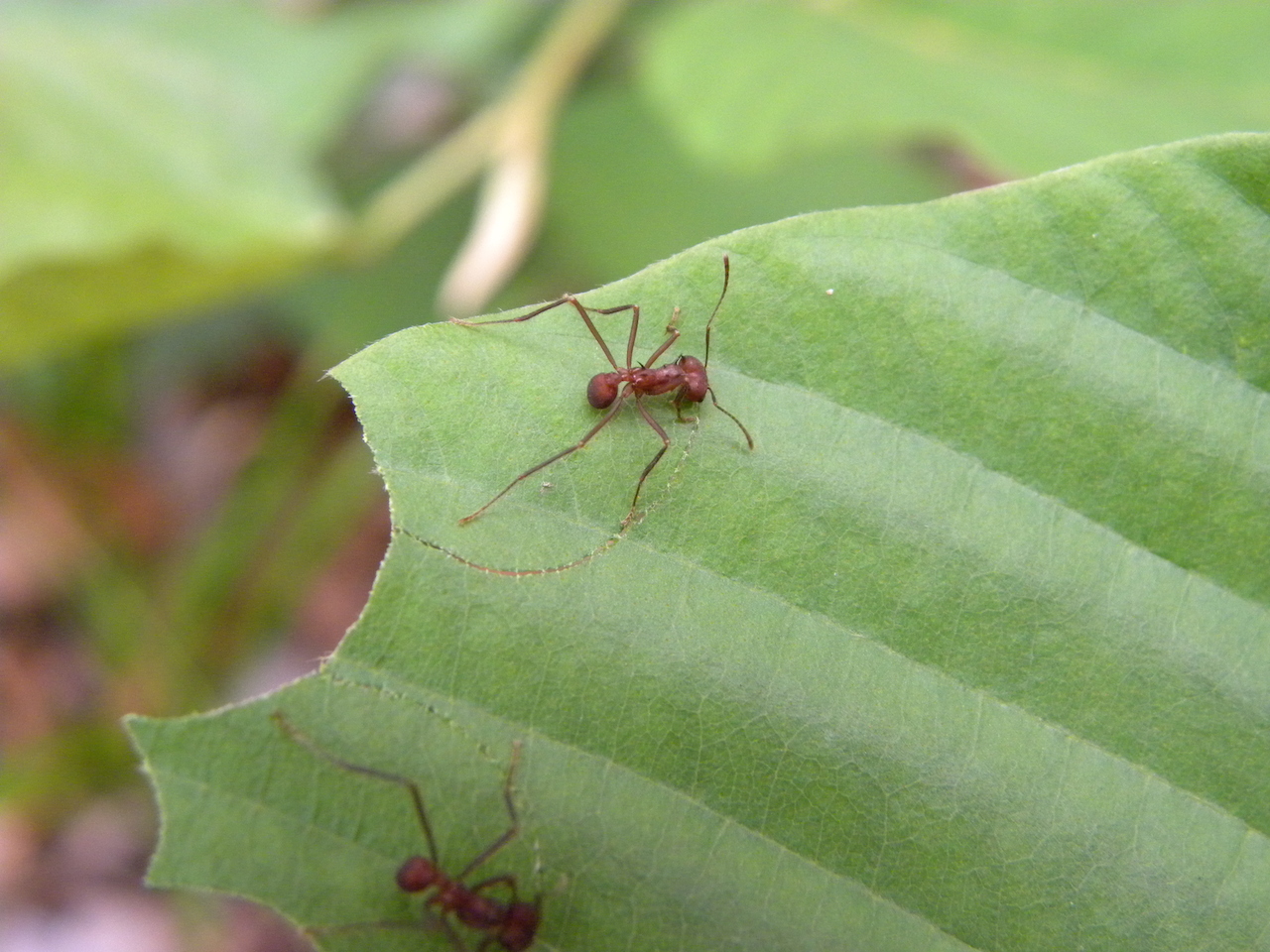
The species of ants known as « mushroom ants » or « leafcutters » belong mainly to the genera Atta and Acromyrmex (family Formicidae and subfamily Myrmicinae). The species
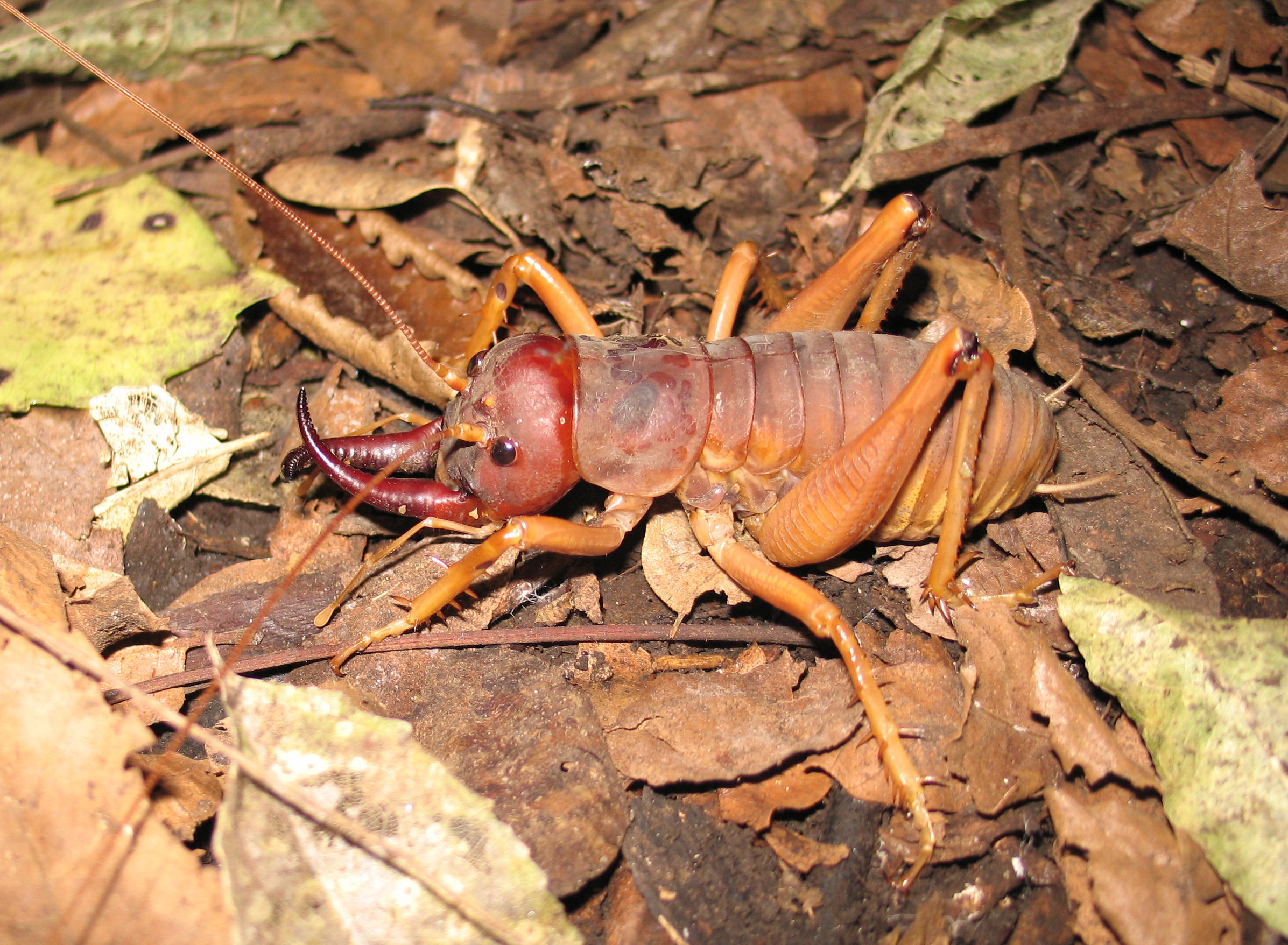
Weta: giant insects from New Zealand
Regions of the world, geographically isolated from other continents for millions of years, have allowed the appearance of unique, rare and incredible animal and plant
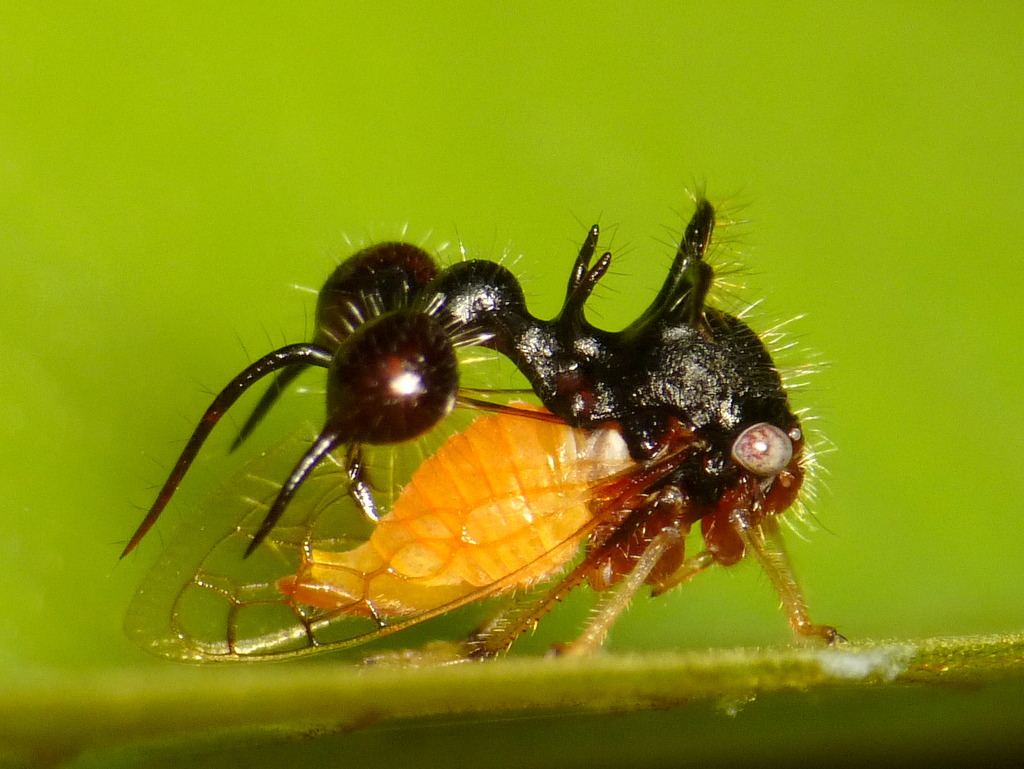
The membracides, surprising little insects
Membersracides are small insects belonging to the super-family Membracoidea and to the order Hemiptera : aphids, leafhoppers and cicadas, characterized by an incomplete metamorphosis (hemimetabolism
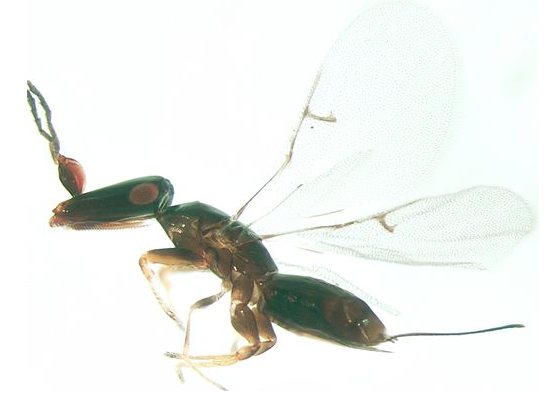
Agaonides wasps and fig trees: a history of mutualism
Insects and plants have maintained interdependent relationships since the appearance of flowering plants in the Cretaceous (145-65 million years) (read th article). This co-evolution between
Ants of the genus Cephalotes
Presentation of a species of ants encountered during my stay at STRI au Panama Flying ants of the genus Cephalotes Ants of the genus Cephalotes
Legionary ants of the genus Eciton
Presentation of a typical species of ants from Panama encountered during my stay at STRI Legionary ants, genus Eciton Ants of the genus Eciton are called « legionnaires » because of their nomadic way of life and their hunting technique which consists in capturing any animal in their path. Several species occur in tropical forests in Central…